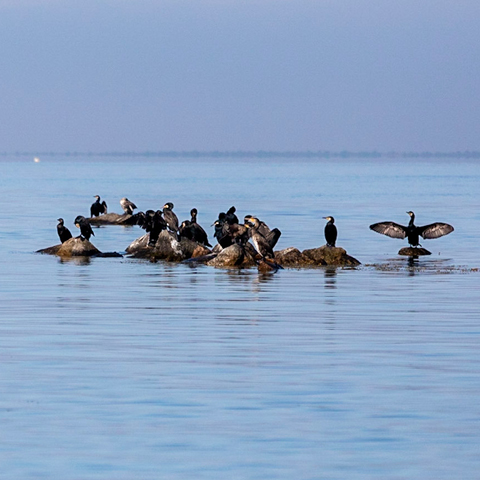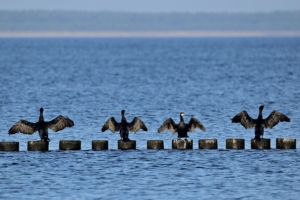
A new European study reveals that predation by great cormorants is causing extensive damage to fish populations, inland fisheries and freshwater aquaculture. The EIFAAC/EAA/FEAP European inventory of fish damages caused by cormorant predation estimates annual economic damage to fish stocks from fish consumption by cormorants at more than EUR 670 million across the 26 countries surveyed.
Prepared jointly by the European Inland Fisheries and Aquaculture Advisory Commission (EIFAAC), the European Anglers Alliance (EAA) and the Federation of European Aquaculture Producers (FEAP), the study draws on information from more than 300 stakeholder organizations for 2023 and 2024.
Recreational fisheries and other inland fisheries face estimated annual losses of EUR 150–220 million. Cormorant predation reduces catches and stock productivity and undermines costly stocking and habitat-restoration efforts undertaken by angling organizations and public authorities. Tens of thousands of volunteers from angling clubs spend many days every year to protect their fish from cormorant predation.
Freshwater aquaculture losses reported by the surveyed countries exceed EUR 138 million annually, while total losses to aquaculture across Europe are estimated at around EUR 250 million. Pond fish farms are particularly vulnerable, commonly losing 10–30 percent of their fish stocks and, in extreme cases, up to 70 percent. Predation and the costs of scaring, guarding and netting are reducing farm profitability and have contributed to lower production and farm closures.
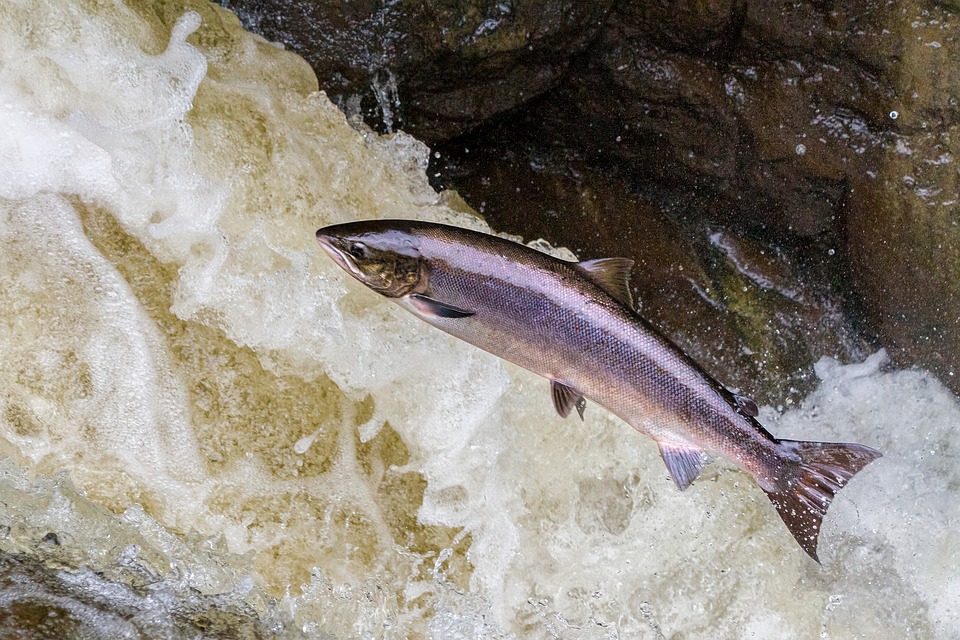
The impacts extend beyond economics. Cormorants prey on salmonids, cyprinids, percids, sturgeons and European eel, including threatened and protected species (1). Sustained predation can obstruct fish-stock recovery and weaken the ecological benefits of river restoration. It is therefore needed to balance the protection of wild birds under the EU Birds Directive with the objectives of the Habitats Directive and Water Framework Directive for conserving vulnerable species, habitats and healthy aquatic ecosystems.
Because cormorants migrate across national borders, isolated local measures cannot provide a lasting solution.
EIFAAC, EAA and FEAP call for European-wide cooperation through implementation of the Framework for a European Management Plan for the great cormorant (2).
The Cormorant Management Advisory Group will provide an essential platform for governments, scientists, conservation interests, fishers and aquaculture producers to coordinate monitoring and develop proportionate, science-based and adaptive management measures.
________________________
1) The ongoing (2024-2028) EU Horizon funded project “ProtectFish” is providing new scientific evidence of the cormorants’ negative impacts on fish: https://protectfish.eu
2) The publication is available at: https://doi.org/10.4060/ce1056en