For years, declining stocks in the IJsselmeer and Markermeer raised concerns among anglers, fisheries managers and scientists alike. Today, however, new research, published in Fisheries Management and Ecology, brings encouraging news: pikeperch populations are recovering, demonstrating that science-based fisheries management and healthy ecosystems can successfully restore valuable fish stocks.
About Pikeperch
Pikeperch (Sander lucioperca), also known as zander, is one of Europe’s most valued freshwater predatory fish. Renowned for its fighting qualities and excellent table value, it is a flagship species for both recreational angling and commercial inland fisheries. Healthy pikeperch populations support thriving freshwater ecosystems, attract anglers from across Europe and generate important economic activity through angling tourism and local fisheries.
A decade of concern – need for strict measures
Just over a decade ago, however, pikeperch stocks in the IJsselmeer and Markermeer (NL) were in serious decline. Scientists linked the downward trend to a combination of fishing pressure and changing ecological conditions, including reduced availability of prey fish. A major turning point came in 2014 when the management of both gillnet and seine fisheries in the Ijsselmeer & Markermeer underwent drastic changes:
- gillnet fisheries were limited to 15% of the available effort per license and
- previously unregulated seine fisheries were limited from 135 days to 7 days per year per license.
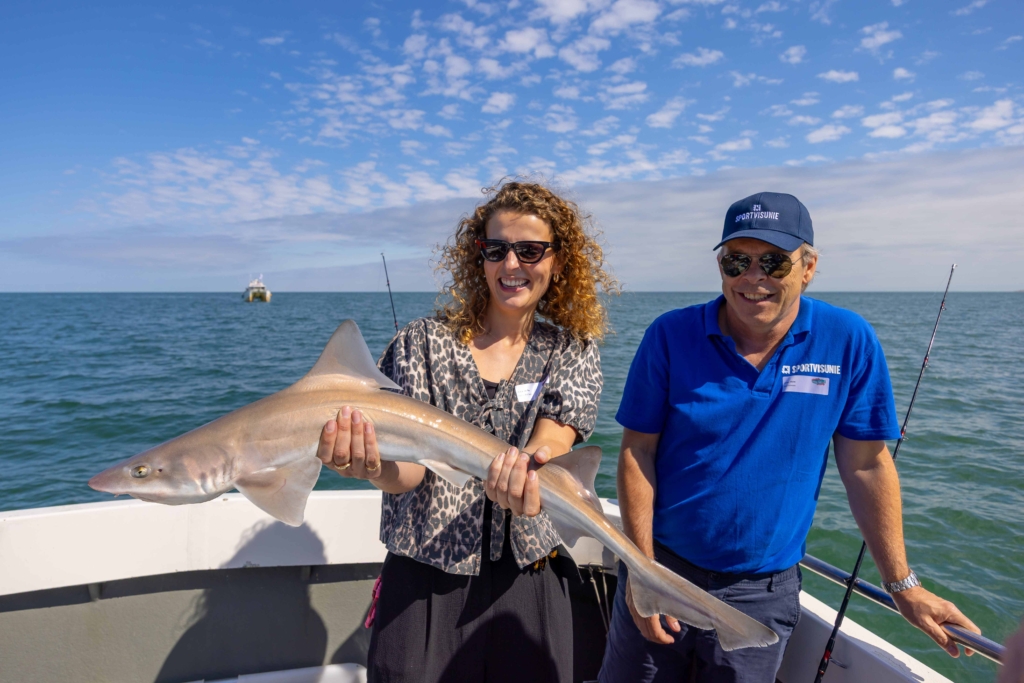
EAA member Sportvisunie (NL) together with local governments, nature organizations and commercial fisheries organizations played a vital role to help bring this spectacular transition about.

Recovery driven by management and ecology
Researchers attribute the recovery to two key factors. First, – as highlighted – commercial fishing pressure was substantially reduced in 2014 in the IJsselmeer area. This allowed fish populations to rebuild over time. Second, favourable ecological conditions improved survival of young pikeperch. The availability of smelt (Osmerus eperlanus)—an important prey species—proved particularly important, as successful access to suitable prey during the first growing season greatly increases juvenile survival and recruitment into the adult population.
Together, effective fisheries management and healthy ecosystem conditions created the foundation for the recovery now being observed.
Good news for anglers – and for fisheries
For recreational fisheries, the pikeperch case is particularly welcome news. The IJsselmeer and Markermeer have long ranked among Europe’s premier destinations for pikeperch angling, attracting thousands of anglers every year. Following years of declining stocks, the species is once again becoming a reliable target fish, with Dutch angling organisation – and EAA member – Sportvisunie reporting improved catch opportunities and renewed optimism among anglers.
The recovery also benefits commercial fisheries. Recent figures from the IJsselmeer fish auction in Urk show record landings and revenues, with pikeperch now representing the most valuable commercial species. Landings increased from 426 tonnes in 2023 to over 720 tonnes in 2025, demonstrating that healthy fish stocks generate both ecological and economic benefits.
The recovery of the stock is therefore not only an ecological success, but also an economic one.
A model for sustainable fisheries management
The recovery of pikeperch sends an important message for fisheries policy across Europe. Measures to reduce fishing pressure or restore aquatic ecosystems are often presented as restrictions on fishing activities. The IJsselmeer demonstrates the opposite. When management decisions are guided by science and given sufficient time to deliver results, fish populations recover, recreational angling improves, and commercial fisheries also benefit from more productive & resilient stocks.
Rather than representing a trade-off between conservation and fisheries, the recovery of pikeperch illustrates how healthy ecosystems underpin thriving fisheries.
Looking ahead
The IJsselmeer, Markermeer and IJmeer together form the Netherlands’ largest freshwater system, covering almost 1,900 km² and supporting a rich diversity of fish species. EAA member Sportvisunie considers these waters a cornerstone for the future of recreational fisheries, combining healthy fish stocks, accessible fishing opportunities and nature conservation.
While scientists stress that continued monitoring and precautionary management remain essential, the recovery of pikeperch stands as a positive example of what sustainable fisheries management can achieve.
For anglers across Europe, it is proof that investing in healthy aquatic ecosystems ultimately strengthens the fishing experience on which recreational fisheries—and the many businesses that depend on them—rely.
Footnotes/References
[1] Nieuwe studie: Visbestanden in IJsselmeer tonen opvallend herstel – Visserij.nl:
[2] Volwater, J. J. J., J. C. Tiano, K. Chin, and J. J. de Leeuw. 2026. “ Recovery of Four Commercial Fish Stocks in Lake IJsselmeer (The Netherlands) After Major Fishery Management Interventions.” Fisheries Management and Ecology 1–10. https://doi.org/10.1111/fme.70087.
More info & further reading
Documentation by EAA-member Sportvisunie
- Snoekbaars in brak water groeit sneller | Sportvisunie
- VIS TV: Snoekbaars vanaf de eerste worp | Spotvisunie
- Visie Ijsselmeer Markermeer – Dossiers Onderzoeken
- Visie IJsselmeer en Markermeer plannen | Sportvisunie
- Vissen op IJsselmeer Markermeer IJmeer | Sportvisunie
Other documentation