2023
Cormorants & fish biodiversity
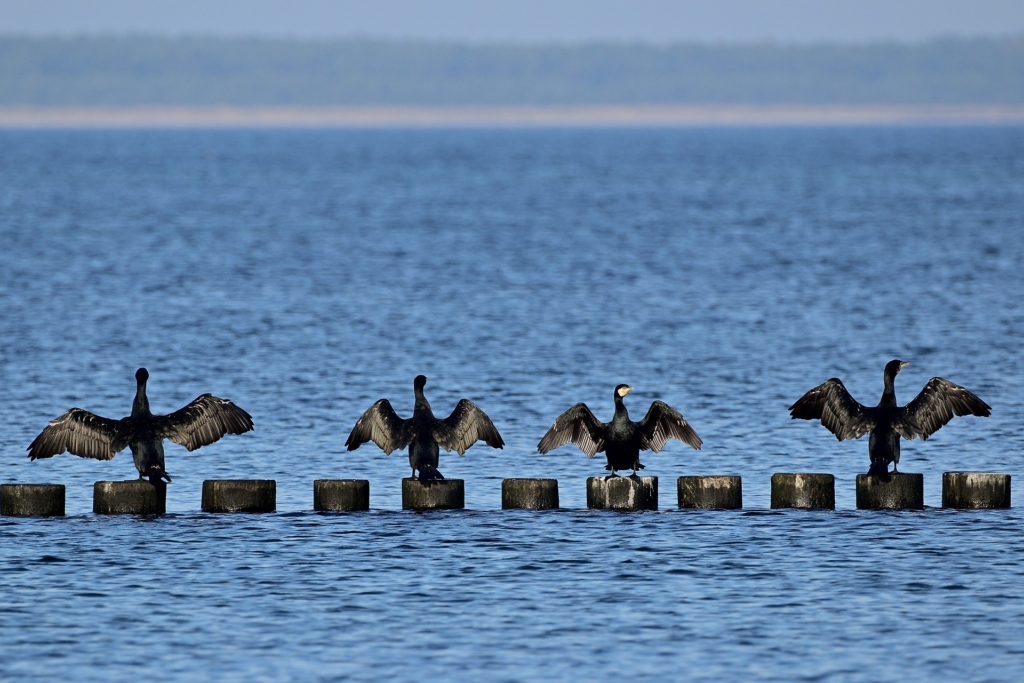
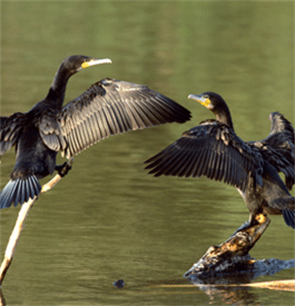
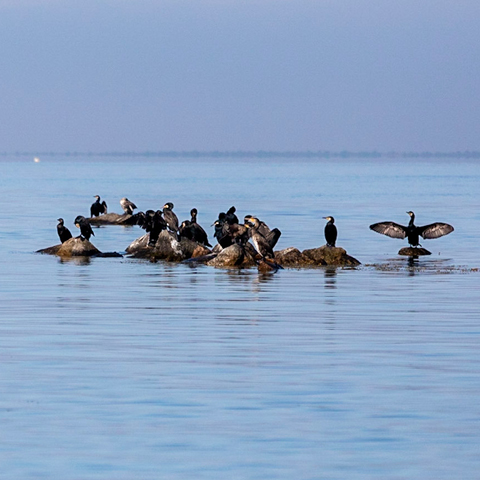
The EAA is very concerned regarding the effects of cormorant (Phalacrocorax carbo sinensis) predation on fish biodiversity in European rivers, lakes and seas.
- Anglers respect cormorants as an integral part of Europe’s environment.
- Following the implementation of the Birds Directive, the cormorant finds itself in a favourable status and since the 1990s is no longer under threat.
- Derogation measures based on Article 9 of the Directive, are proving insufficient to protect Europe’s fish biodiversity.
- Where fish species and populations are at risk, their status should be prioritized over birds that are not endangered.
- Tagging studies provide scientific evidence of the rapid and alarming negative impact of cormorant predation on fish stocks.
- Restoration of natural aquatic systems solely, is proven to be ineffective towards addressing cormorant predation in published papers.
- The lack of shared responsibility or general understanding of decoupled breeding and damage areas is a significant issue which should be addressed.
Due to their life cycle and exceptional mobility, cormorants are a truly European problem, which needs to be managed accordingly.
The position paper can be downloaded below
- Achieving and maintaining robust fish stocks and biodiversity by reducing bird predation pressure
- Conservation of healthy aquatic ecosystems throughout Europe
- Maintaining a favourable conservation status for cormorants due to their life cycle and exceptional mobility, cormorants are a truly European problem, which needs to be managed accordingly.