Mercury in rivers, lakes and oceans presents the biggest risk, as this is converted into a particularly toxic form called methylmercury, which is easily absorbed by animals and moves up the food chain until it reaches humans. This is the main way in which humans are exposed to mercury.
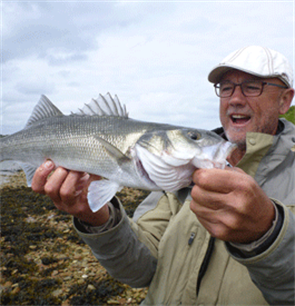
The highest blood mercury concentrations are found in people who consume a lot of fish, such as those living near the coast and in Arctic communities who traditionally have higher fish intakes. People ingest more mercury when consuming predatory fish than when consuming smaller (younger) specimens or species that are lower in the food web.
Mercury-containing fillings have been used to fill cavities in human teeth since the 1800s because they are relatively cheap and very hardwearing. These fillings are approximately 50 % mercury (COWI, 2008). With around 75 % of the 500 million EU inhabitants having fillings, it is estimated that 1 500 tonnes of mercury is held in human bodies, which presents a potential exposure route through, for example, the process of cremation.
Mercury affects mainly the brain/nervous system, the kidneys and, when inhaled, the lungs. A high mercury intake by women during pregnancy can have negative impacts on children’s development.
Global action is required to address mercury risks. The Minamata Convention on Mercury has been agreed as a global solution to this problem. Europe has already made significant progress in limiting mercury emissions over recent decades and is focusing on actions that go beyond the Convention’s requirements.
On an individual level, people can take action to minimise their own exposure to mercury.
Links:
By the European Environment Agency (EEA); 2018
www.eea.europa.eu/publications/mercury-in-europe-s-environment
● Mercury information page; the European Commission, DG ENV
http://ec.europa.eu/environment/chemicals/mercury/index_en.htm