- the protection of at least 30% of the land and sea area, of which at least a third should be strictly protected, to better safeguard biodiversity; and
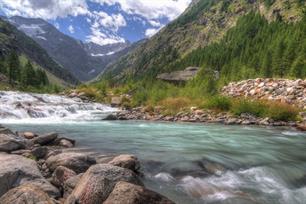
- the restoration of at least 25,000 km of free-flowing rivers, which would lead to the restoration of freshwater ecosystems and the achievement of the Water Framework Directive objectives.
In order to help the Member States reach the Biodiversity Strategy objectives, the Commission developed and recently published two guidance documents. The Guidance on Barrier Removal for River Restoration aims to support Member States and other stakeholders involved in river restoration. It notably provides examples of existing approaches and methods that could be used to select and prioritise barriers that would need to be removed to restore 25,000km into free-flowing rivers.
The Criteria and guidance for protected areas designations identifies a set of criteria that Member States may use for the identification of protected areas. The EAA actively participated to the drafting process. The document provides a definition of strict protection and guidance to Member States on establishing appropriate management and monitoring for protected areas.
In particular, it should be noted that strictly protected areas (10% of the land and sea area), are defined as areas where the natural processes are “left essentially undisturbed by human pressures and threats.” Only limited and well-controlled activities, including strictly controlled recreational activities, could be allowed in these areas, on the basis of a case-by-case assessment. The EAA was concerned about the Commission’s initial proposal to have a blanket approach, by banning all so-called ‘extractive’ activities, which included indiscriminately mining, hunting, forestry and all kind of fishing activities. The EAA applauds this pragmatic approach to have a case-by-case assessment, which expectedly will allow for continued well-managed recreational angling in most protected areas.