Recreational angling tourism is an important and growing segment of Europe’s nature-based tourism sector.
Every year, millions of recreational anglers travel across Europe to fish in rivers, lakes and coastal waters. These trips generate income for local communities through accommodation, restaurants, fishing guides, boat rentals, tackle purchases and permits.
Angling tourists typically stay longer, spend more locally and travel outside peak tourist seasons. As a result, angling tourism plays an important role in supporting rural and coastal economies while maintaining a relatively low environmental footprint.
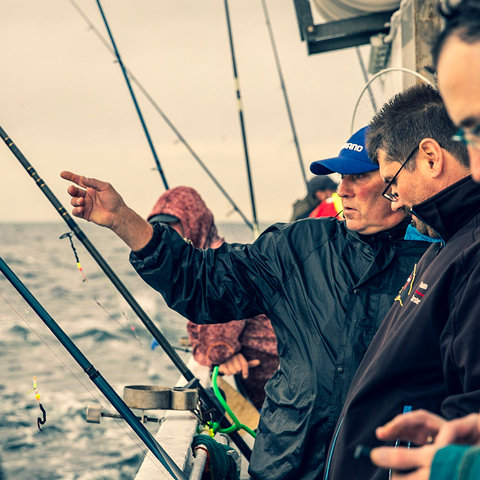
Key Figures
Recreational angling tourism is one of Europe’s largest nature-based tourism activities.
- Tens of millions of recreational anglers across Europe
- Billions of euros spent annually on angling trips, travel, equipment and local services
- Millions of fishing days each year in Europe’s rivers, lakes and coastal waters
- A sector supporting rural development and conservation
A high-value tourism activity
Across Europe, recreational sea angling alone involves an estimated 8–10 million participants and generates €8–10 billion annually in socio-economic value. Inland angling adds a significant additional dimension, particularly in lake and river regions.
Anglers spend money locally on:
-
accommodation and restaurants
-
fishing guides and charter boats
-
boat rentals and fuel
-
fishing licences and permits
-
tackle, bait and equipment
These expenditures support local businesses and jobs, often in regions where other economic opportunities are limited.
Supporting rural and coastal communities
Angling tourism can diversify income sources for fishing-dependent communities and provide new opportunities for local businesses. Unlike many forms of tourism, angling activities can take place throughout the year and in remote locations.
Examples from European countries illustrate this impact:
- Ireland
Angling tourism generated approximately €315 million in expenditure and supported over 3,200 jobs, particularly in rural regions.
- Denmark
Recreational angling contributes between €146 and €386 million annually to the national economy and supports around 2,500 jobs.
- Spain
In parts of the Mediterranean, studies have shown that spending generated by recreational fishing can exceed the economic value of local commercial fisheries.
Sustainable tourism linked to healthy ecosystems
Successful angling destinations depend on healthy fish stocks and well-managed aquatic ecosystems. As a result, recreational angling tourism creates incentives for conservation, habitat restoration and sustainable fisheries management.
In many regions, anglers actively contribute to:
-
habitat restoration projects
-
fish stock monitoring
-
conservation initiatives
-
public awareness of aquatic ecosystems
This close connection between recreation and conservation makes angling tourism a strong example of nature-based sustainable tourism.
Strong potential for further development
Demand for outdoor recreation and nature-based tourism continues to grow across Europe. Recreational angling tourism has significant potential to expand as part of this trend.
With supportive policies, healthy fish stocks and accessible information for travellers, angling tourism can further contribute to:
-
rural development
-
coastal community resilience
-
Europe’s blue economy
-
sustainable tourism strategies
Recognising and supporting this sector therefore represents an opportunity for European policymakers to combine economic development with environmental stewardship.
Studies & References
European Union and International Studies
- European Parliament – Marine recreational and semi-subsistence fishing
Research for the PECH Committee on the value and impacts of recreational fisheries in Europe. - European Commission – DG Mare
ECORYS study analysing tourism activities linked to maritime and coastal regions, including recreational fishing. - ICES – Recreational Fisheries
Scientific information and advice on recreational fisheries in Europe. - Centre for the Promotion of Imports (CBI)
The European market potential for fishing tourism - European Commission – DG MARE (ECORYS)
Study in support of policy measures for maritime and coastal tourism at EU level
Market and Tourism Studies
- RecFishing Forum Webinar (2020)
How angling can contribute to the recovery of the EU tourism sector
Examples of national studies on angling tourism
- Ireland – Economic contribution of sea angling and bass angling
- Denmark – The recreational anglers’ contribution to the Danish economy
- Spain – Recreational fishing in the Mediterranean