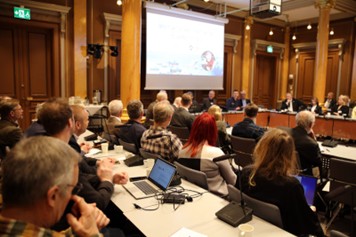
The European Anglers Alliance (EAA) UK member, the Angling Trust, took part in the World Recreational Fishing Conference (WRFC) 2026, held in South Africa this February.
The conference provided an important platform for the Angling Trust to represent UK recreational sea anglers. This at a time when the sector is gaining increasing recognition within global science and policy. It also created valuable opportunities to strengthen links with NGOs, research institutions, fisheries authorities and other angling organisations – supporting future collaboration, funding opportunities and knowledge exchange.
About World Recreational Fishing Conference (WRFC) 2026
Held every three years, the World Recreational Fishing Conference is the leading global event for recreational fisheries. It brings together scientists, policymakers, industry representatives and anglers to share research, experiences and ideas, and to develop solutions to shared challenges.
The 2026 conference focused on the theme: “Sharing global experiences to promote resilient recreational fisheries.”

Angling Trust’ contributions
The Angling Trust was represented by Head of Marine, Hannah Rudd, who delivered four presentations:
- Schooling Together: What bluefin tuna can teach us about science-led, stakeholder-driven fisheries management
- Catching up: Integrating marine recreational fisheries into the UK’s post-Brexit future
- Tides of Change: Anglers at the frontline of estuary monitoring
- Beyond the science: Lessons from pollack politics
Participation in WRFC 2026 strengthened the Angling Trust’s visibility and credibility within international science–policy networks, while deepening cooperation with European and global partners. These relationships will support future collaboration, knowledge exchange and coordinated advocacy. As a European Anglers Alliance member, and the very nature of marine fisheries going beyond international boundaries, the work of the EAA and its members was also promoted throughout the conference.
Hannah Rudd also serves on the WRFC International Science Board, helping ensure that recreational fisheries are reflected in global research priorities and conference programming. This role further enhances the Angling Trust’s influence in shaping international research agendas.
Key takeaways from a UK perspective
Reflecting on the conference, Hannah Rudd highlighted the strong emphasis on youth engagement:
“A key theme throughout the conference was the critical role of youth programmes, young leader development and the recruitment of new anglers to secure the long-term future of recreational fisheries.”
This aligns closely with the Angling Trust’s ambition to grow participation, widen access and build future leadership capacity. Particularly in the face of challenges such as declining connection with nature, shifting social attitudes, rapid technological change and the impacts of climate change on fish stocks.
Another recurring issue was the continued under-resourcing of recreational fisheries compared to commercial sectors. As Rudd noted, participation in WRFC strengthens the Angling Trust’s ability to advocate for UK anglers while contributing to wider European and global efforts to modernise fisheries management and safeguard the sector’s social, environmental and economic value.
The location of WRFC 2029 is expected to be confirmed by the International Science Board in July 2026.
Pictures
(c) Hannah Rudd – 2026

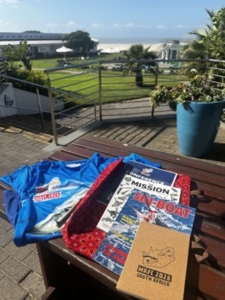

Juvenile white steenbras caught by Hannah Rudd – as part of the conference’s after-work sessions