A timely event to underline the need for a European Cormorant Management Plan
The event brought together representatives from EU Member States, the European Commission, the European Parliament, EIFAAC, and civil society organisations as the European Anglers Alliance (EAA).
During the conference, experts presented the ecological and economic consequences of cormorant predation on inland fisheries and aquaculture. Dr Niels Jepsen (Danish Technical University) presented data on the impact on fish populations, while Dr Raymon van Anrooy (EIFAAC) detailed the resulting economic pressures on fisheries and aquaculture sectors, including the recreational fisheries sector. To conclude the event, Dr Ian Cowx (Angling Trust/University of Hull) introduced the second draft of the Framework towards the development of a European Management Plan for the Great Cormorant.
Cormorant predation – a major obstacle to thriving recreational fisheries
These elements have been acknowledged under the draft framework by EIFAAC and underline the need for a European approach to cormorant predation. The European Anglers Alliance welcomes EIFAAC’s recognition of the recreational sector as steward of aquatic ecosystems. The draft framework – presented during the Conference – underlines:
“Recreational fishing organizations are widely acknowledged as providing stewardship to the nature resources under their management. Many of these organizations reported that river restoration to maintain and rehabilitate aquatic biodiversity is failing because of predation of fish by cormorants…”
“The level of predation by cormorants has reached the point where fishing organizations can no longer bear the costs of re-stocking. Reduced catches by recreational fishers lead to less participation and reduced income for angling clubs and rural communities, and consequently less expenses and effort towards stewardship of the inland aquatic resources…Loss of members, loss of tourists, reduction in license fee income for recreational and commercial fishing are negative effects associated with the high level of cormorant predation.”
EAA Cormorant position & way forward
Similarly, the EAA fully supports the appropriate implementation of the Birds Directive, which is an important piece of the EU environmental legislation.
EAA believes that the draft framework, presented during the Conference & developed with support from the European Maritime, Fisheries and Aquaculture Fund (EMFAF) and the FAO-European Commission Trust Fund, represents a strategic & much-needed roadmap for mitigating the negative impacts of cormorants on fish biodiversity, and inland and coastal recreational fisheries across Europe.
The EAA’s position paper (2023) on Cormorant can be accesssed via this link.
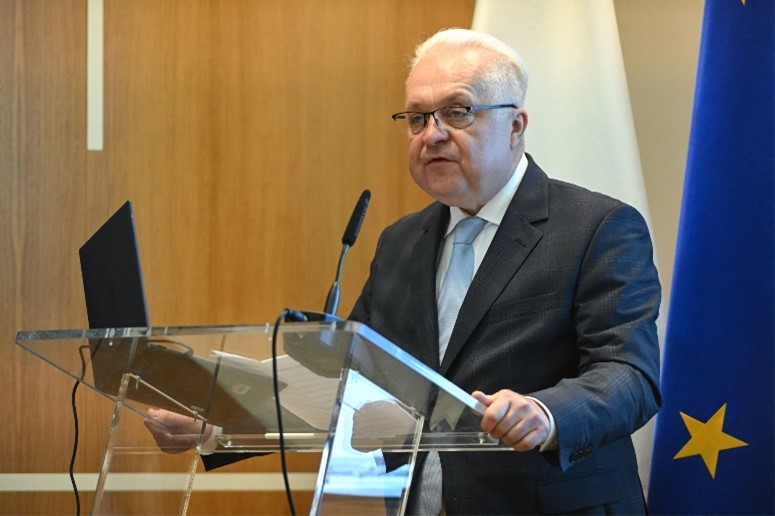
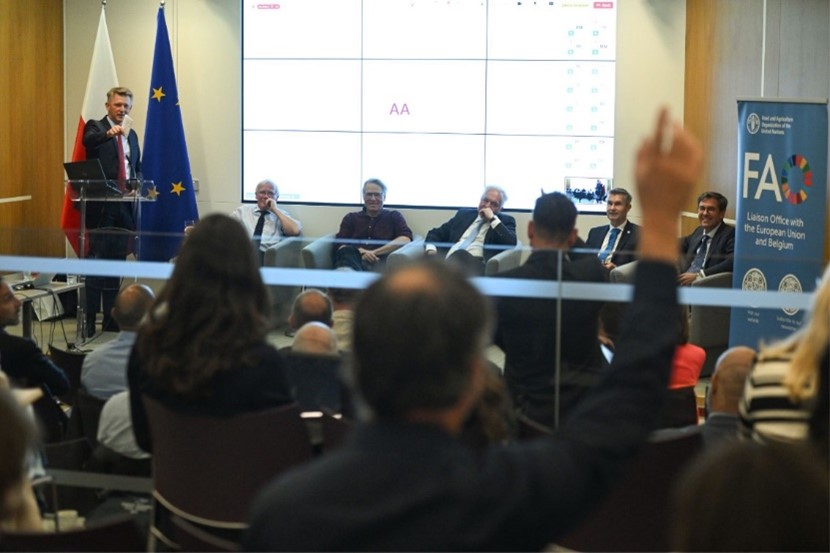
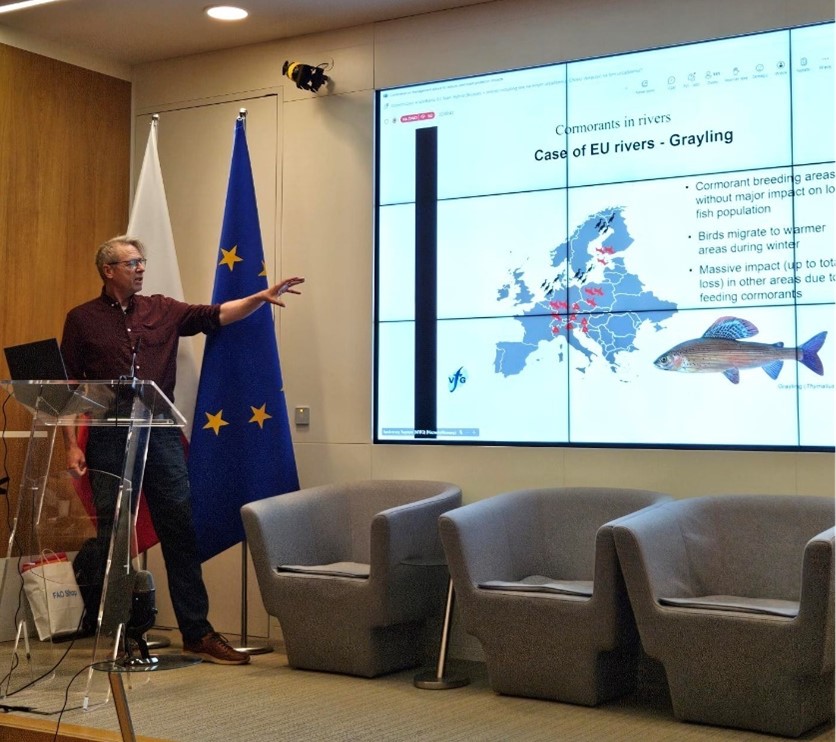
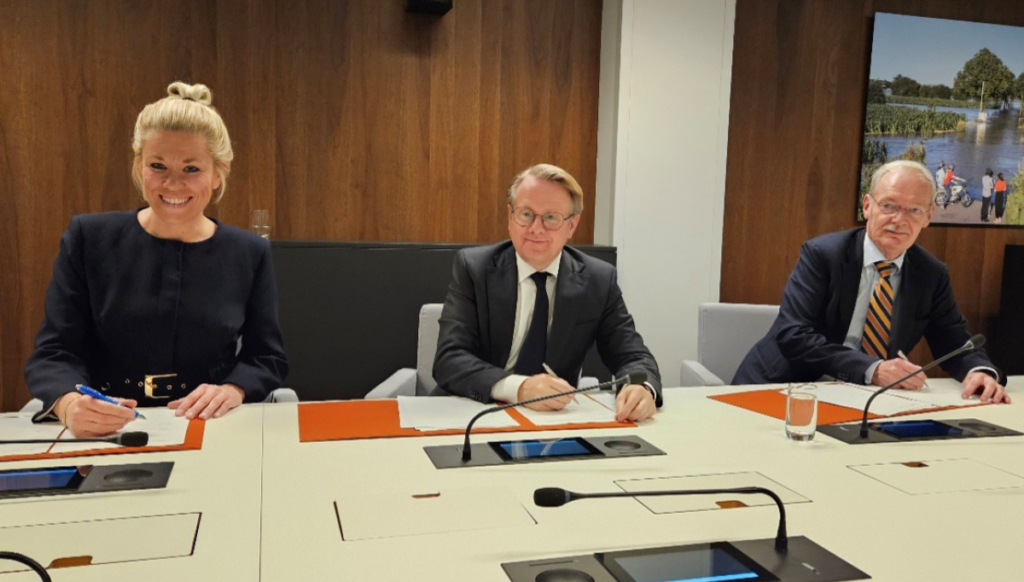
Photo credits: Polish Presidency to the Council of the EU (2025)
More background information
Previous articles on EAA website covering cormorant predation