From this perspective, if the action plan is stepping towards the sustainability of the commercial fisheries sector, it is however lacking consideration for recreational fisheries and in particular angling. The action plan is focusing on the negative impact of fisheries, taking a general approach encompassing recreational fisheries, while recreational angling for example, is a very selective fisheries which can be compatible with biodiversity protection objectives.
For instance, the Marine Action Plan calls for the collection of data on the impact of recreational fishing on fish stocks and the marine environment. The EAA agrees on the need to collect more data on the environmental impact of recreational fisheries. However, once again it must be recalled that the economic and social impacts of the sector should also be taken into account.
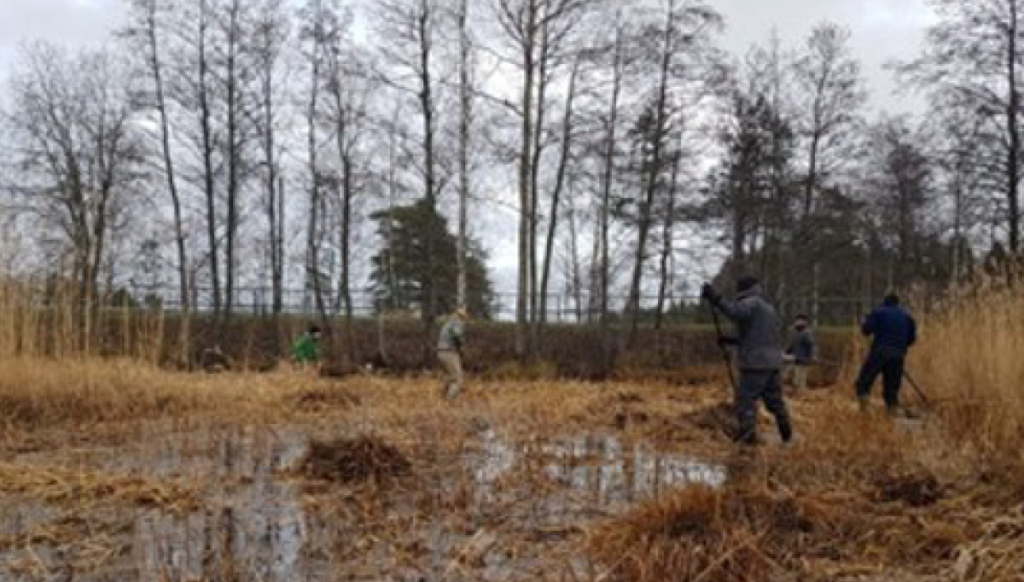
In addition, the EAA raises concerns about how the objective of 30% of protected EU sea areas, one third of which will be “strictly protected”, will be implemented. The creation of no-go zones (passive restoration without any human presence) would not guarantee the effective restoration of ecosystems and would deprive conservation efforts from the anglers’ experience, presence and knowledge. Indeed, anglers play an important role to monitor and collect data. They also lead educative programmes on nature protection and implement projects to improve and restore habitats.
To conclude, the EAA reiterates its commitment towards the preservation of the marine ecosystems. Anglers are determined to find more sustainable and modern ways of managing recreational fisheries through dialogue with the institutions and all stakeholders.