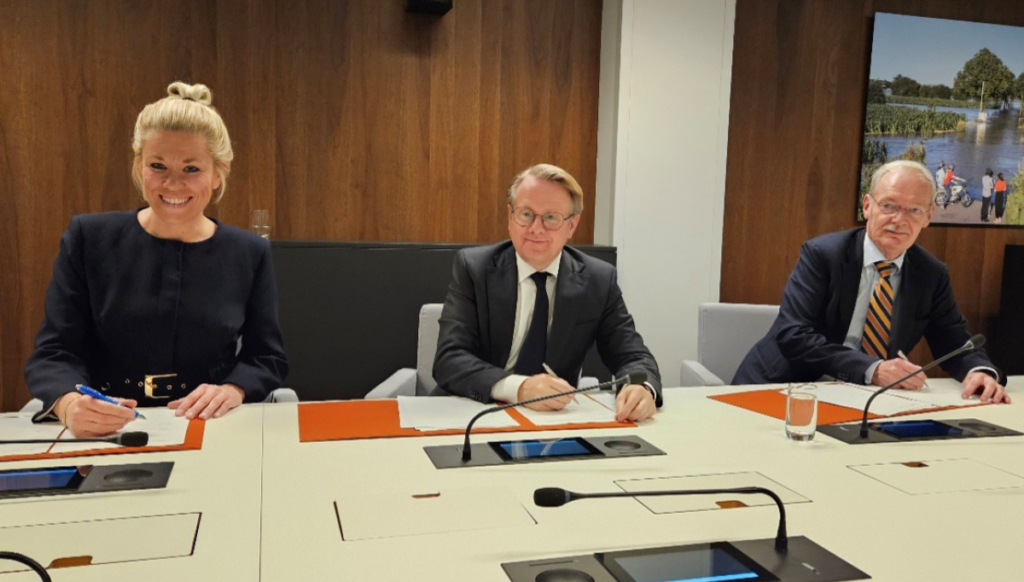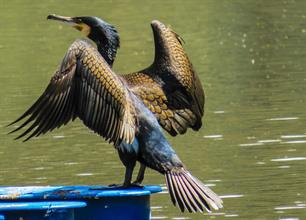
Stefan Jäger (Chair of the Cormorant Commission in the German Fisheries Association and Managing Director of The Association of Fisheries cooperatives of North Rhine-Westphalia) and Dr. Niels Jepsen (Senior researcher, Technical University of Denmark), both experts suggested by EAA and EFTTA to participate in this hearing, were invited to give their views on the current situation. Like almost all the other speakers, they called for a management plan for the cormorant population, a species that was once endangered but is now having a serious impact on the balance of the marine ecosystem.
During this meeting, it was estimated that 15 million cod specimens were eaten annually by cormorants in the Danish part of Western Baltic; whereas the total recruitment per year is estimated to only 4 to 17 million cod per year. This example, laid out by Dr. Niels Jepsen stresses how unsustainable the situation is in the medium term.
To date, deterrence solutions have been brought forward but turned out to be inefficient given Cormorant’s resilience, adaptability and the size of the population. The lessons learned from this meeting were that the best solution is to bring forward an effective management plan for cormorants, including monitoring and control of the population. This model could be based on measures to maintain both a stable cormorant and fish population through the determination of the carrying capacity of the different habitat types and regions.
Most MEPs took note of the issue that the aquaculture and fisheries sectors face and will hopefully follow-up on that matter so that the Commission initiate concrete solutions.
Link to the meeting’s agenda
Link to the speakers’ presentations
Link to the video recording