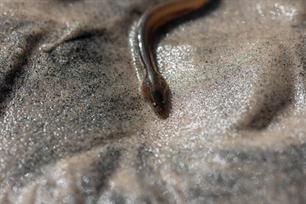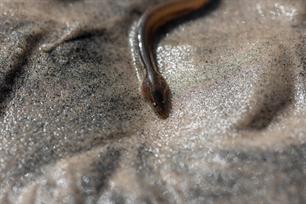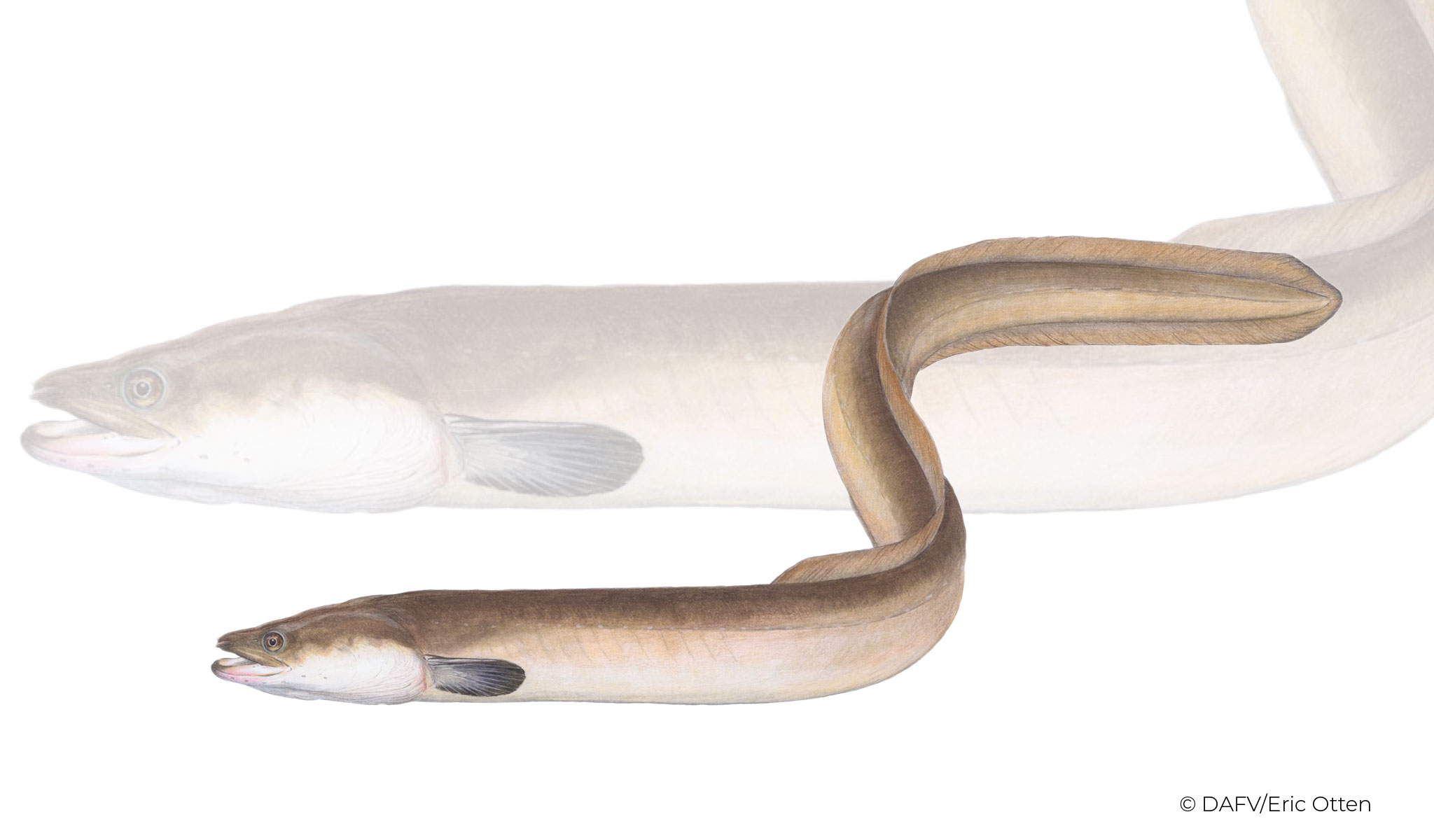
The European Anglers Alliance (EAA) considers the European eel (Anguilla anguilla) to be at serious risk of extinction. Scientific advice clearly shows that eel recovery is being undermined primarily by non-fisheries impacts, including migration barriers, hydropower mortality, habitat degradation, pollution and illegal trade. While fisheries management plays a role, it cannot deliver recovery on its own without decisive action on these wider pressures.
EAA acknowledges differing views within the angling community, including concerns that poorly designed blanket bans may have unintended consequences. However, EAA stresses that the current situation requires precautionary, ecosystem-based action, with priority given to restoring habitats, ensuring free migration and reducing all human-induced mortality affecting the eel throughout its life cycle.
The EAA calls for:
The full position paper, including notes and references, can be downloaded below.
- All anthropogenic impacts (e.g., caused by hydropower, pumping stations, pollution etc.) that decrease the production and escapement of silver eels should be reduced to – or kept as close to – zero as possible. Eels must be prioritised, and the eel’s natural habitat range must once again be made accessible via river restoration and installation of mitigation techniques.
- Stop all targeted fishing for eels, commercial as well as recreational, at all its life stages, and compulsory release of all eel by-catches.
- Fishing for eels and elvers should only be allowed for research purposes (e.g., tagging and monitoring).
- EAA does not accept that profiteering by private hydropower companies should be put ahead of species conservation. EAA therefore calls for the regulation and sanction of the operation of hydropower plants rather than abandon natural eel habitats.
- Stop all sale of eels.
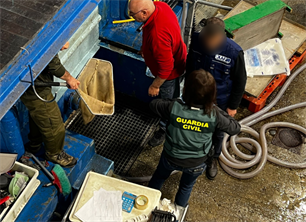
- Increased efforts with enforcement to restrict illegal fishing and the sale of eel in all its life stages.
- Increase research to find the specific area in the Sargasso Sea that European eels breed, for that area to be protected.