
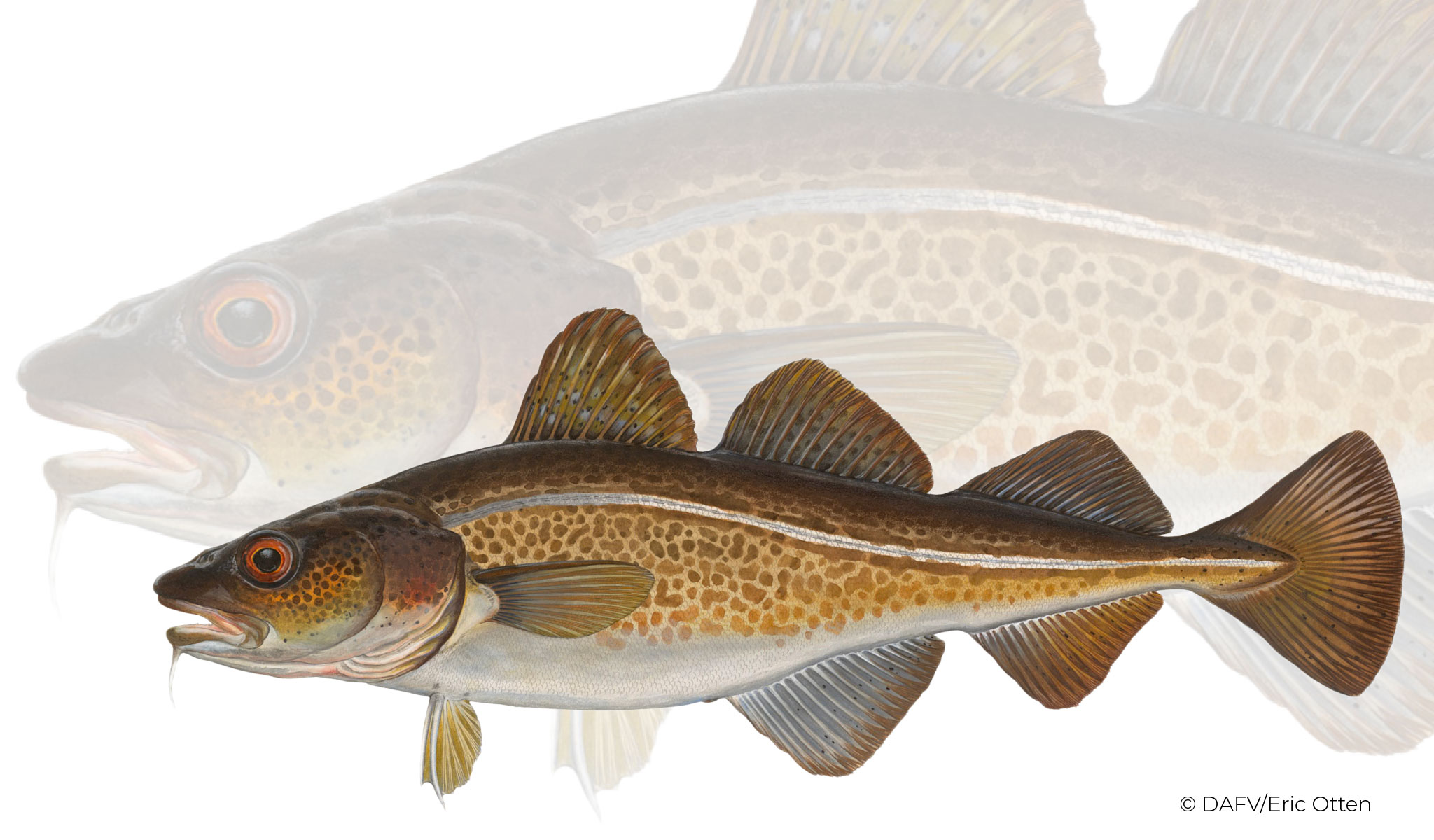
The International Council for the Exploration of the Sea (ICES) has advised zero catch for western Baltic cod under the EU management framework, reflecting the stock’s poor condition driven by environmental stress, reduced reproductive success and a legacy of overfishing. ICES also highlights that more selective commercial fishing gears capable of reducing cod bycatch are still not sufficiently applied.
The European Anglers Alliance (EAA) recognises the need for strong protection and recovery of Baltic cod, but stresses that recreational fishing and commercial fishing are fundamentally different activities. Recreational anglers do not fish for profit and are motivated by the experience, not by maximising catches. Well-designed recreational management measures can therefore deliver high stock protection while maintaining angler participation and socio-economic value for coastal communities.
EAA considers that recreational anglers have already made a substantial contribution to stock protection and should not be excluded from the fishery where equivalent conservation outcomes can be achieved through alternative, science-based management tools. EAA therefore calls for a balanced, ecosystem-based and adaptive approach to Baltic cod management that safeguards stock recovery while preserving recreational fishing opportunities and angler engagement.
The European Anglers Alliance suggests the following regulations and actions concerning Baltic cod for 2026.
The following positions summarise the European Anglers Alliance’s EAA Climate Change Position Paper (September 2021).
The full position paper, including notes and references, can be downloaded below.
- Recreational fishing opportunities for cod must be preserved
- Consider a combination of management measures that ensures equivalent protection at simultaneous higher anglers’ satisfaction: introduce a maximum landing size for anglers, increase the minimum landing size and combine both with seasonal closures and bag limits; intensify the dialogue between the interest groups, science, and politics.
- No dedicated fishing activities on spawning cod.
- Improvement and obligatory use of selective gear to reduce bycatch of cod in commercial fisheries is urgently needed.
- Adoption of the Framework towards development of a European Management Plan for the Great Cormorant2to reduce the impact of cormorant predation on cod stocks.


