The International Council for the Exploration of the Sea (ICES) advised that there should be no more than 698 tonnes caught by both the commercial and recreational fisheries. This is a drastic cut, given that the Council decided last year to give commercial fisheries a 4,000 tonnes TAC.
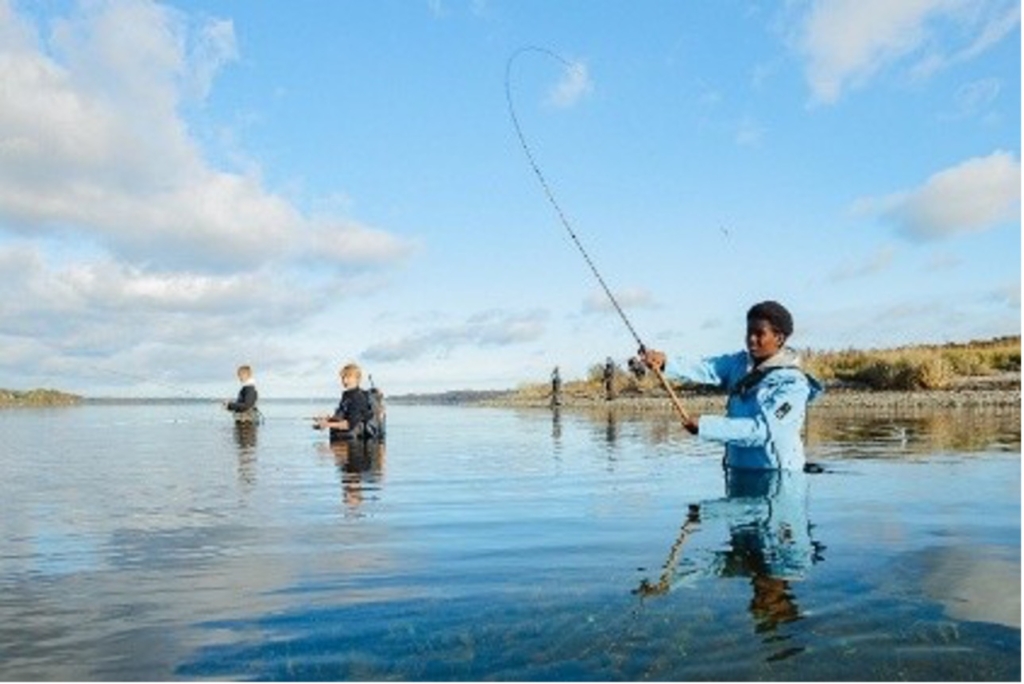
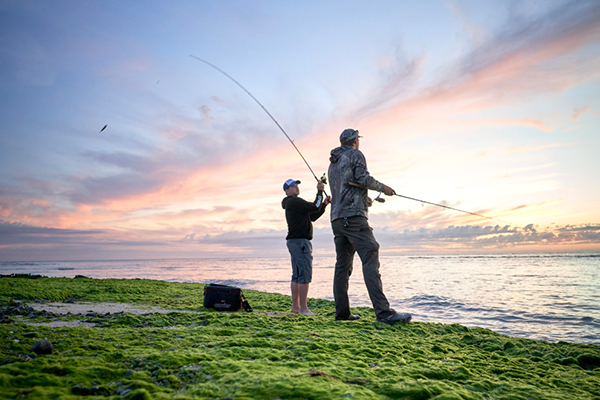
Reacting to the publication, the Deutscher Angelfisherverband e.V. (Germany), Danmarks Sportsfiskerforbund (Denmark) and Sportfiskarna (Sweden) are asking to preserve recreational fishing opportunities for cod. In addition, the three associations are asking to:
- Consider alternative management measures which further lower the recreational catch (e.g. increased minimum landing size, introduction of a maximum landing size, targeted management of recreational fishing, intensification of the dialogue between interest groups, science and politics);
- Consider having no dedicated fishing activities on spawning cod; and
- Improve and make obligatory use of selective gear to reduce bycatch of cod in commercial fisheries.
Baltic salmon
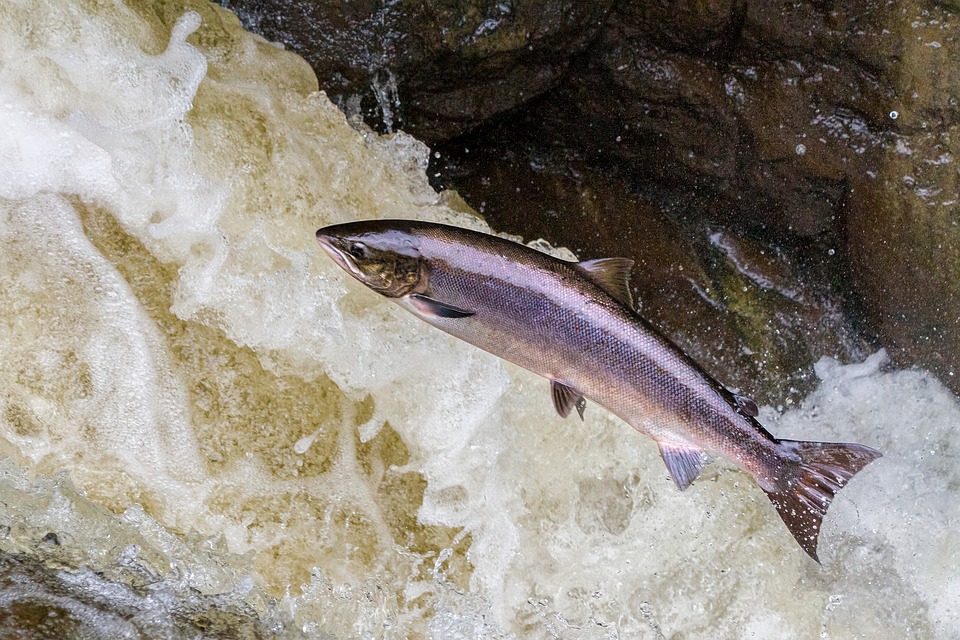
ICES advised that there should be zero catches in 2022 for both commercial and recreational fisheries in subdivisions 22-31, excluding the Gulf of Finland. ICES however recognised that fishing could be confined to existing coastal fisheries within 4 nautical miles of the coast during the spawning migration (from May to August) in the Gulf of Bothnia and the Åland Sea, but that no more than 75,000 salmon should be taken, both for commercial and recreational fishing.
In the Gulf of Finland, ICES advised that commercial sea catches should be no more than 11,800 salmon, when the precautionary approach is applied.
The German, Swedish and Danish association are asking to:
- Introduce a bag limit of one salmon per angler per day in subdivisions 22-31;
- Introduce a common minimum size limit for salmon angling at sea;
- Use more EMFAF funding for river restoration and removal of fish migration barriers; and
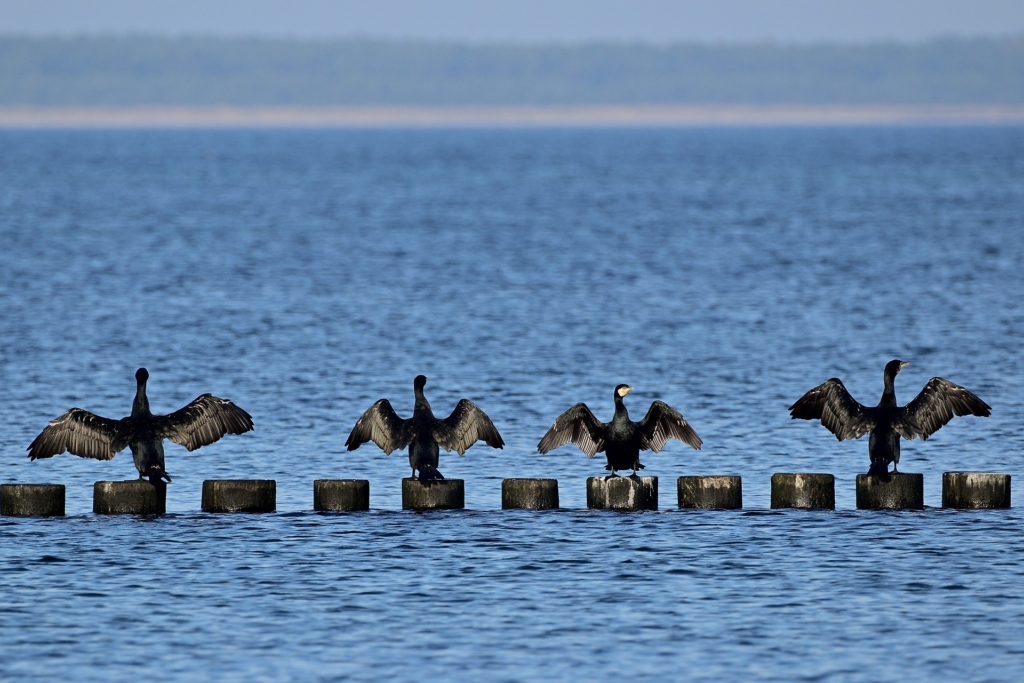
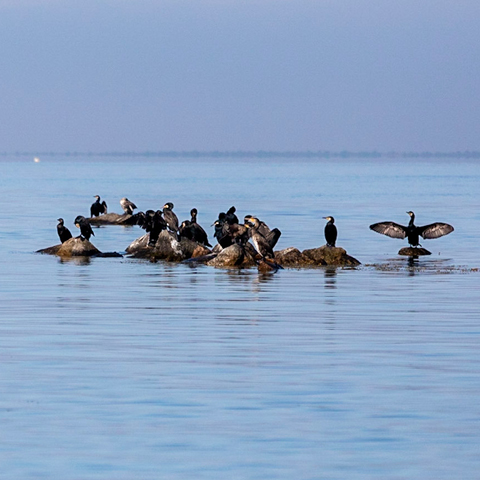
- Initiate a Baltic wide programme to achieve a balanced regional management of cormorants.