This as there are now EU level stringent targets for EU Member States as regards to the restoration of degraded ecosystems. The final step in this legislative process is the formal approval by the Council of the EU, which is expected to take place in March or April of this year1 .
What actions has EAA done for this file?
European Anglers Alliance has advocated intensively– together with other NGOs3 under the Living Rivers Europe Coalition4 – for a strong support by Members of the European Parliament of this law in general and especially the proposed restoration objectives related to aquatic ecosystems.
Main takeaways & targets from the agreement
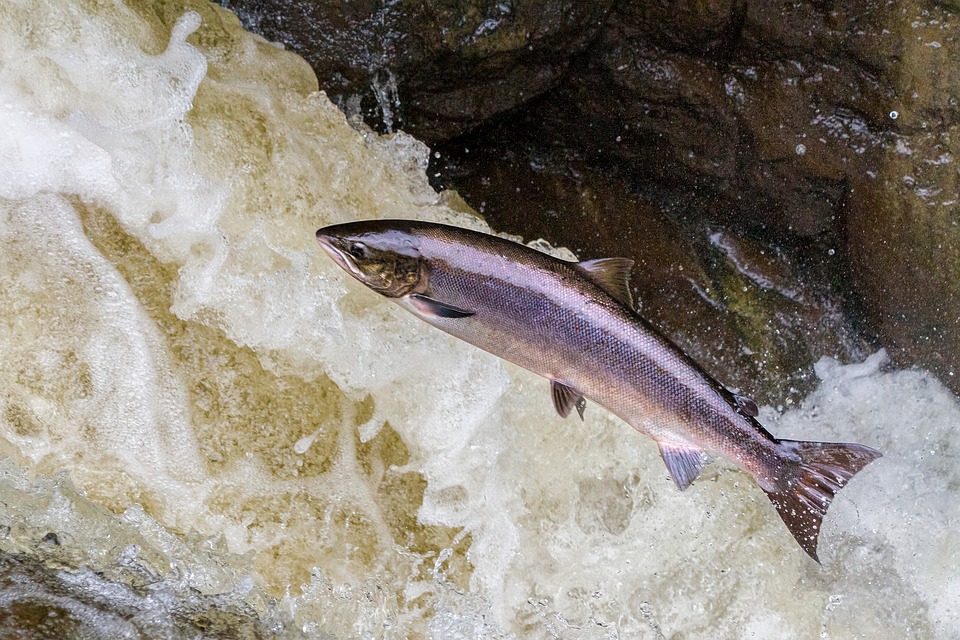
The approved agreement sets legally binding targets to restore degraded ecosystems and other important objectives such as the obligation to remove man-made barriers to the connectivity of surface waters. This in order to turn at least 25 000 km of rivers into free-flowing ones by 2030 and maintain restored natural river connectivity. This target – representing only around 2% of EU rivers – is a first positive step forward for migratory fish species, rivers, river morphology and all activities depending on free-flowing rivers in Europe such as recreational fisheries. However, it must be underlined that Europe’s rivers remain the most fragmented in the world5, with a mean density of 0.74 barriers per kilometre6. Another takeaway from the agreement is that the role of stakeholders such as EAA in defining national restoration plans (NRP) is reinforced.
The challenge of implementation by EU Member States
As a final step before entering into force, the agreement needs to be approved by the Council of the EU (Member States). This is expected to take place in March or April of this year7. After this, the challenge then will be the implementation of this law and to make sure that EU Member States are complying with the objectives and thresholds included in this reached agreement.